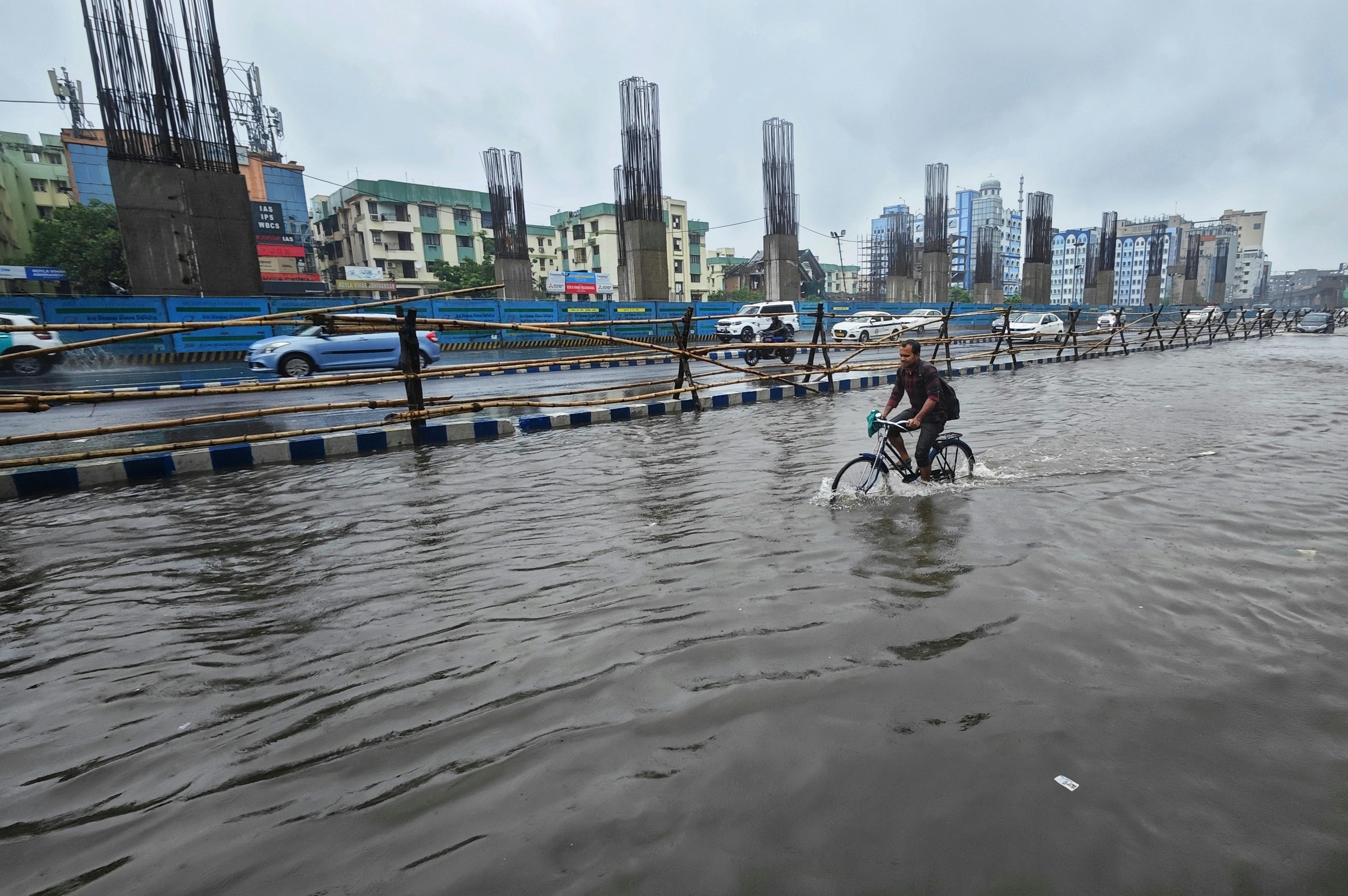
You’re not imagining it: the weather in India right now feels completely unhinged.
One day you’re boiling in unprecedented, suffocating humidity, and the next, your city is submerged under 300mm of torrential rain. If you're wondering why the skies have suddenly turned against us—and what this erratic monsoon means for our future—you’re in the right place. Let's break down exactly what's happening.
Why is the weather so erratic in India right now?
The weather in India is currently erratic due to a dangerous cocktail of a strengthening El Niño, a delayed but explosive monsoon system, and rapidly rising global temperatures. These factors are pushing our climate system past its breaking point. The Hindu
Instead of a steady, predictable rainy season, the India Meteorological Department (IMD) is now tracking highly concentrated "rain bombs." We are seeing a month’s worth of precipitation dumping down in just 24 hours, leaving absolutely no time for the ground to absorb the water.
Meanwhile, the Indian Ocean Dipole—which usually acts as a balancing force for our monsoons—has remained frustratingly neutral. This means the built-up heat and moisture have nowhere to go, drastically increasing heat stress across the subcontinent even while it's pouring. Down To Earth
How is the 2026 monsoon affecting different regions of India?
The 2026 monsoon is tearing the country in two completely opposite directions. While some states are drowning, others are staring down severe droughts and failing crops.
- The West Coast is Under Water: Mumbai just witnessed an apocalyptic 300mm of rain in 24 hours. Flights have been repeatedly grounded, local trains are paralyzed, and devastating landslides are tearing through the ghats in Pune, Palghar, and Ratnagiri.
- The North & East are Parched: Shockingly, while Maharashtra and Kerala drown, the overall July rainfall for the country is projected to remain below normal (less than 94% of the Long Period Average). States like Bihar, Jharkhand, and parts of UP are facing an agonizing rainfall deficit, bracing for an agricultural disaster. Down To Earth
- The South is Juggling Extremes: Kerala is constantly oscillating between orange alerts for flash floods and unbearable, sticky heat, putting massive pressure on electricity demand and drinking water supplies.
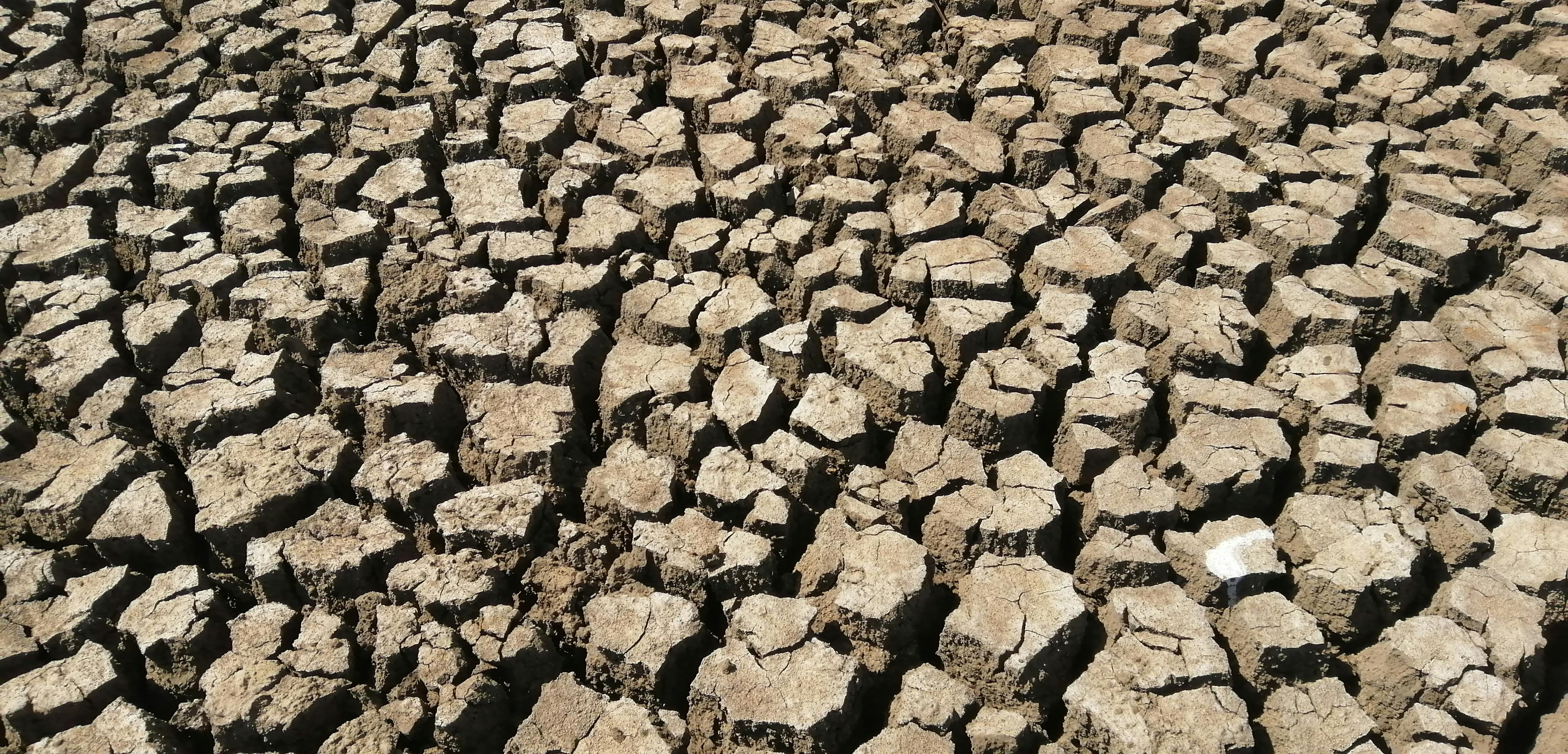 Deeply cracked dry soil texture highlighting drought and heatwave impact. Source: Pexels
Why is the gap between humans and nature increasing?
The gap between humans and nature is widening because of aggressive urban expansion, relentless deforestation, and a total disregard for ecological boundaries. We've built sprawling concrete jungles directly over natural floodplains, mangroves, and wetlands.
When you pave over a city's natural drainage systems—like Mumbai's Mithi River ecosystem or Bengaluru's historically interconnected lakes—the water has nowhere to go but into your living room. We are no longer living with nature; we are actively trying to out-build it.
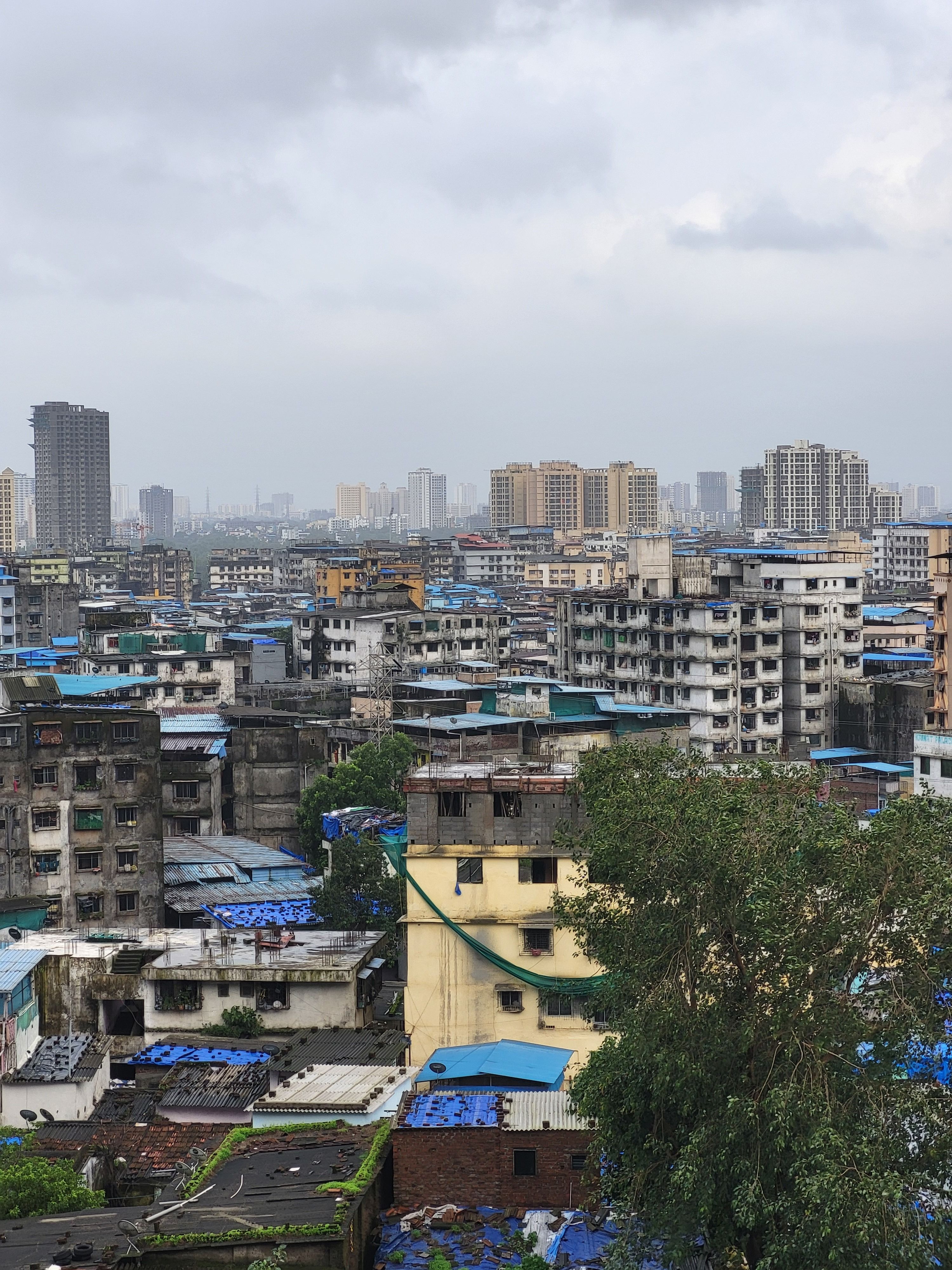 A dense grid of modern concrete skyscrapers representing urban expansion over nature. Source: Pexels.
Our city infrastructure was designed for the predictable climate of the 1990s, not the hyper-charged, volatile weather systems of 2026. Until we integrate green architecture, aggressively restore our wetlands, and start taking climate adaptation seriously, these "unprecedented" weather events will just become our new, terrifying normal.
The erratic 2026 monsoon isn't a fluke; it's a glaring, flashing warning sign. The climate crisis is no longer a future threat—it is flooding our streets, drying our crops, and shutting down our schools today. The Hindu
The question isn't whether the weather will get worse, but whether our urban planning will evolve fast enough to survive it.